

A short guide from L’ESKIZZO, a Ukrainian tailoring house that has built the wardrobe around the jacket since 2015.
A well-chosen jacket is a piece you wear for years: with suit trousers, jeans, a dress or a skirt. To make it truly work, pay attention to three things: fit, fabric and construction.
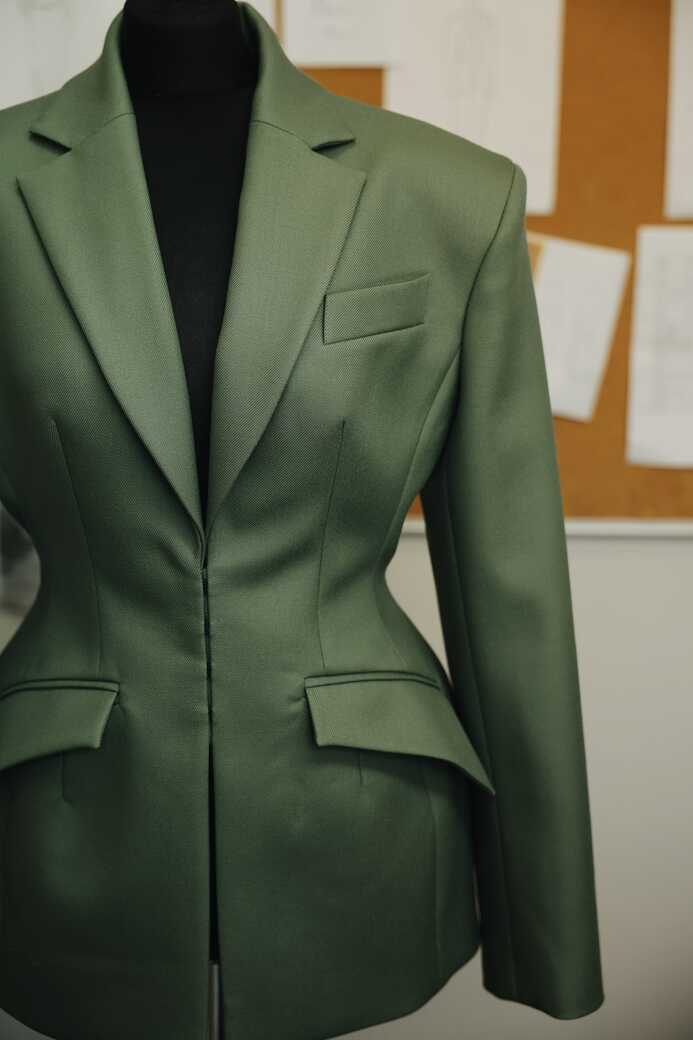
1. Shoulders: where the fit begins
L’ESKIZZO jackets have an extended shoulder line — it is part of the design, so the shoulder seam does not have to match the edge of your shoulder. At the same time, the shoulders are structured: they hold their shape and should not droop. When trying it on, check that the jacket’s proportions suit your figure and that there are no extra folds across the back that distort the silhouette. If the jacket pulls or creases form across the back, try another size. If needed, L’ESKIZZO can adjust the shoulder line, the sleeve length and the length of the jacket to your figure.
2. Sleeve and jacket length
The classic rule: the sleeve ends at the wrist bone, with about 1 cm of shirt cuff showing. L’ESKIZZO jackets, however, have longer sleeves by design, so the sleeve length is a matter of personal preference: wear them as they are or have them shortened. Jacket length depends on the silhouette: a shorter jacket emphasises the waist and pairs well with high-waisted trousers, while a longer one creates a vertical line and looks more relaxed. The main rule: the jacket should not end at the widest part of the hips, as this makes them look wider.
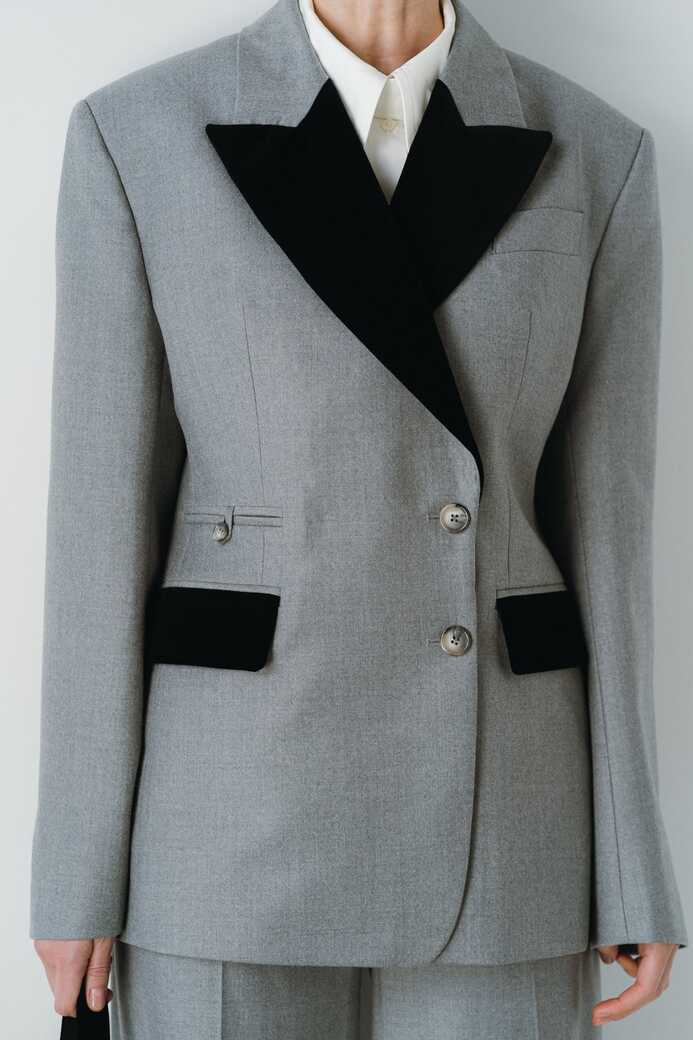
3. Fabric: read the composition
Fabric determines how a jacket holds its shape and how it feels on the body.
— Wool is the foundation of tailoring: it holds its shape, breathes, creases less and keeps its look for a long time.
— Italian fabrics from historic mills such as REDA, Estethia G.B. Conte or Pontoglio combine tradition with modern technology. Their materials are consistent in quality, pleasant to the touch and behave well in the cut.
— Synthetics are fine in small amounts for stretch, but a 100% polyester jacket rarely looks expensive and breathes less well. L’ESKIZZO uses natural fabrics from European, above all Italian, mills — with only a few styles in fabrics containing a small share of synthetics.
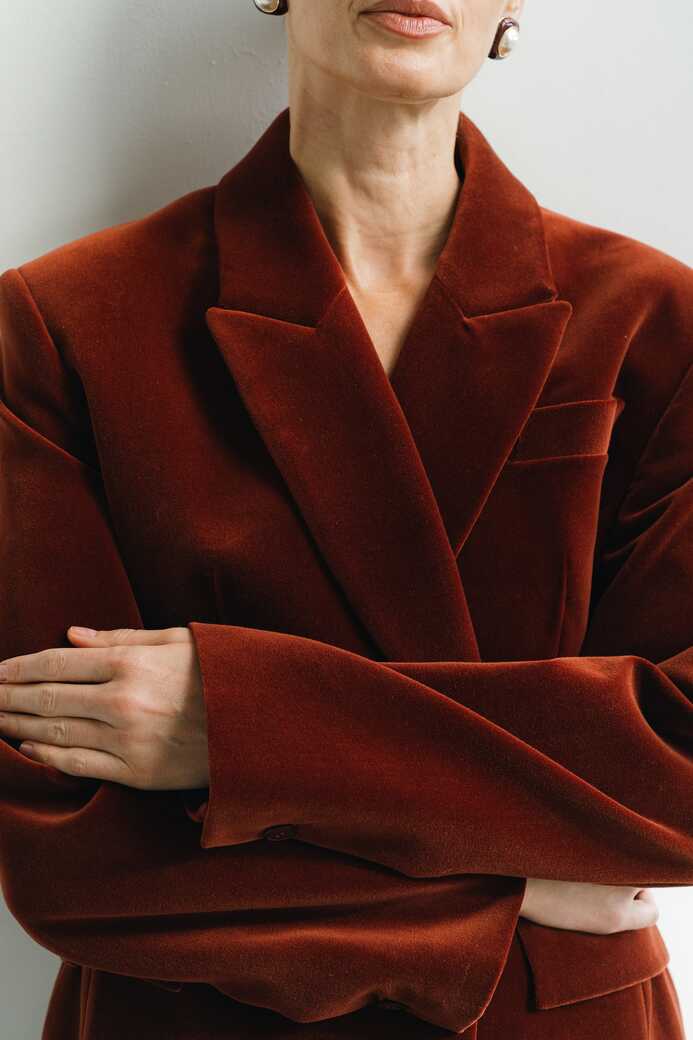
4. Construction: look inside
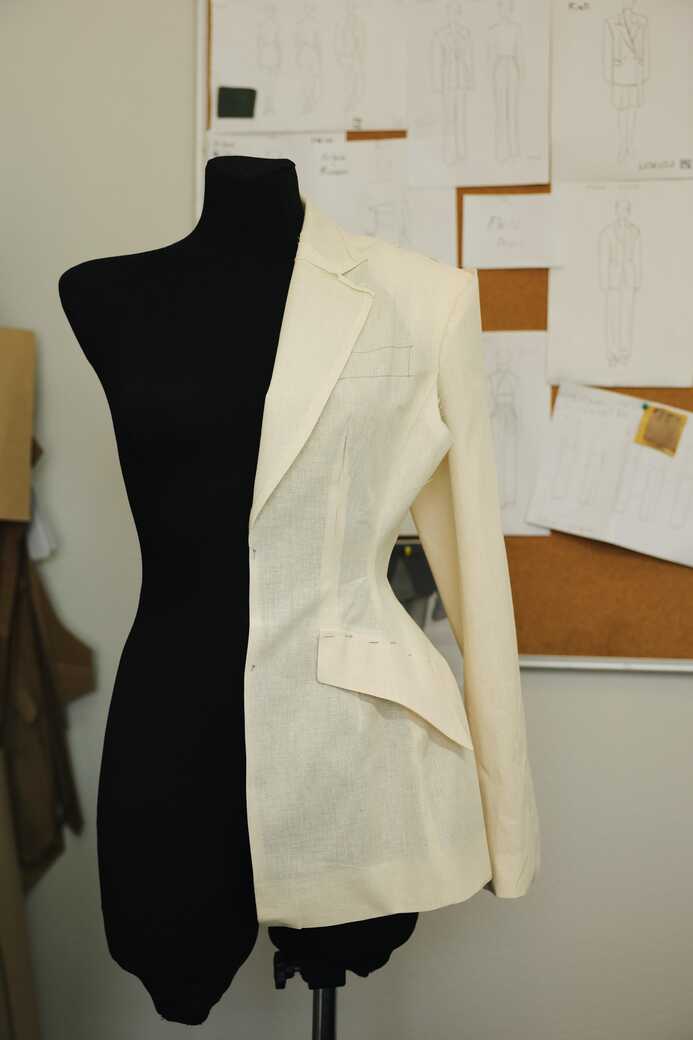
A quality jacket shows even from the inside: a neat lining, straight seams, finished edges and well-placed darts that shape the silhouette. Notice how the jacket behaves in motion — raise your arms, sit down. A well-constructed jacket does not pull or restrict movement.
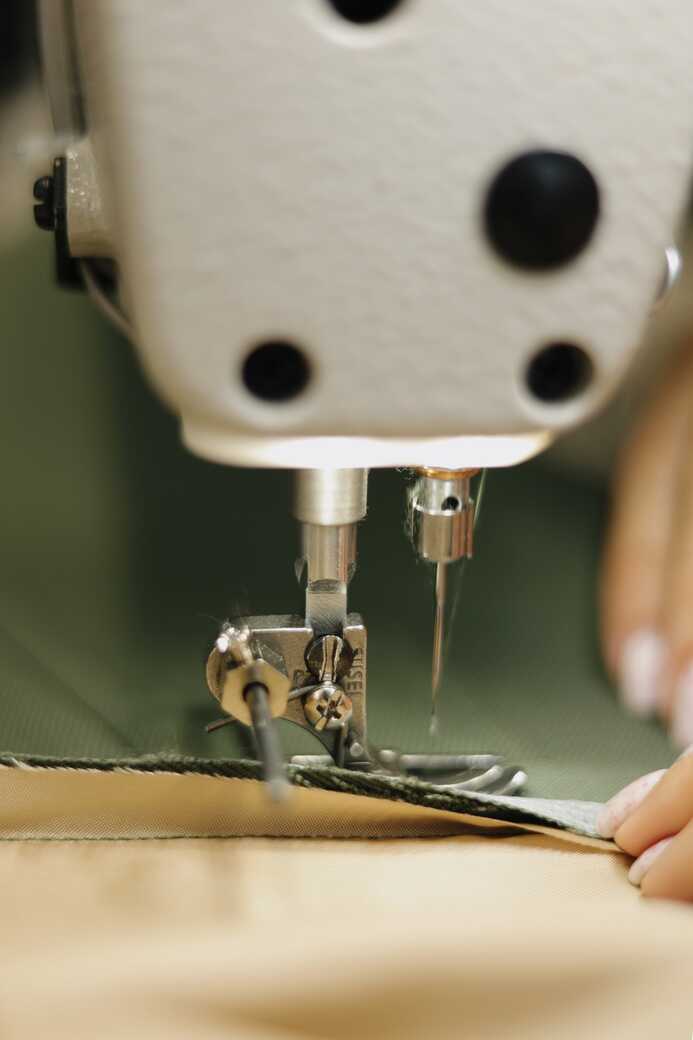
5. Structured or soft silhouette
A structured jacket with a strong shoulder line and defined waist adds sharpness to a look. A soft one in lighter wool is more relaxed and fluid. In the L’ESKIZZO tender tailoring philosophy, the two approaches meet: an architectural form that stays comfortable in motion.
6. A fit for your figure
Even the perfect size rarely fits everyone flawlessly. Shortening a sleeve, changing the length or pairing the jacket with trousers in a different size is normal practice. At L’ESKIZZO, any style can be adjusted to your measurements or made to order.
7. Care
Store your jacket on a hanger with wide shoulders, air it after wearing and dry-clean only when needed. Structured pieces are better ironed than steamed: excess moisture is bad for their shape.
A jacket is an investment in your wardrobe. Choose it by the fit at the shoulders, the quality of the fabric and how you feel in it when you move.